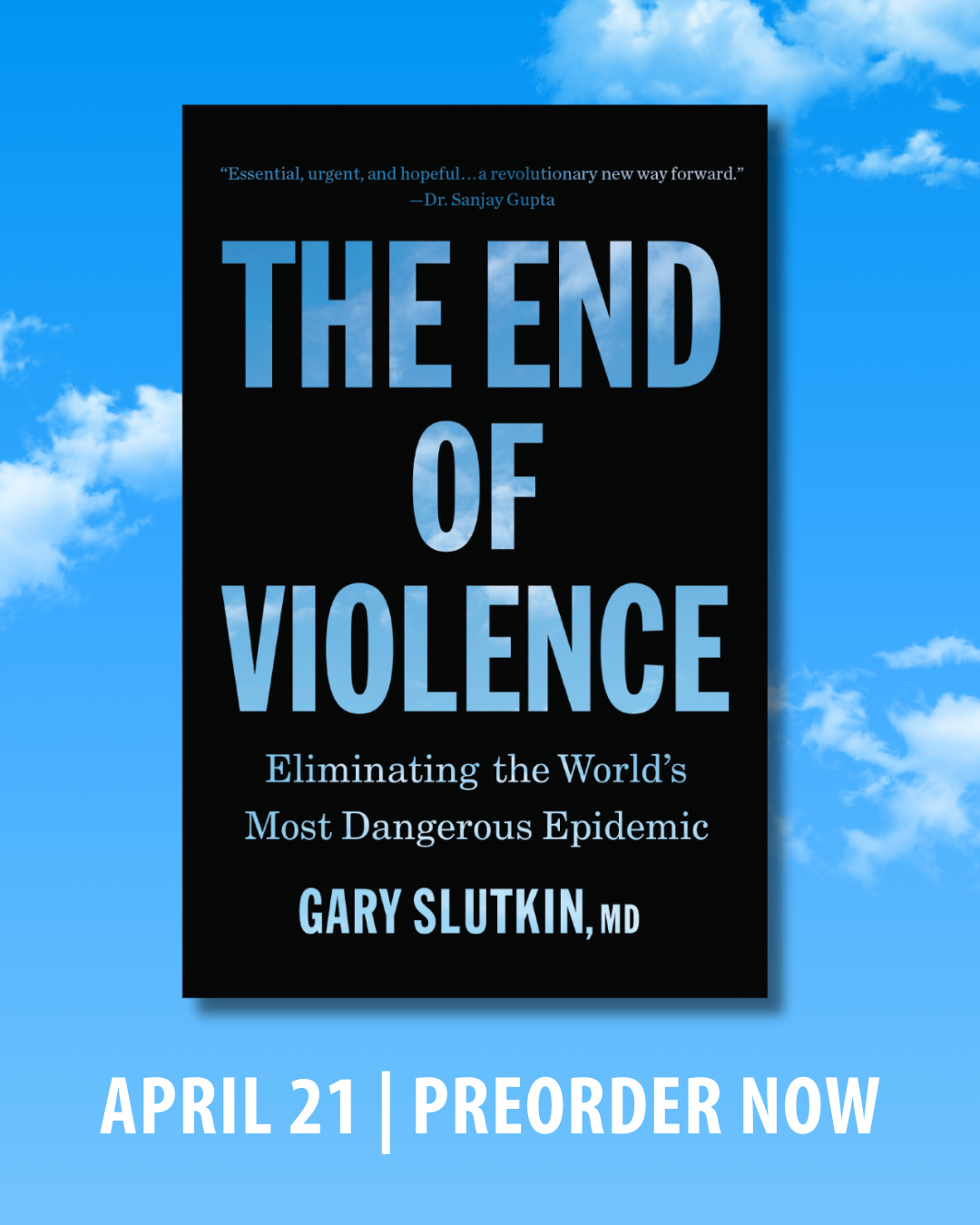
A paradigm-shifting new approach to ending the epidemic of violence in our lifetime, using the same epidemic control playbook that has rid the world of other contagious diseases.
Violence is often regarded as an unavoidable fact of life. The truth is far more hopeful: violence is a disease that can be cured.
Drawing on decades spent fighting infectious disease before founding Cure Violence Global, Dr Gary Slutkin shows that violence behaves like any other epidemic – it spreads through exposure, but it can also be interrupted, contained and ultimately eliminated. By treating violence as a contagious illness rather than a moral failing, he reveals how communities around the world have begun to heal themselves, by following the basic epidemic playbook. These methods have dramatically reduced or eliminated violence in communities in the US, Latin America, and around the world.
With clear-sighted pragmatism, The End of Violence uncovers the invisible logic of violence – and how it works on our brains and bodies – offering an inspiring and time-tested roadmap for our recovery. Incisive, far-reaching and profoundly hopeful, it challenges the idea that violence is inevitable and shows us a concrete way to a more peaceful world.
Order Now:
-
![]()
"The results of Dr. Slutkin's model have been remarkable."
Nicholas Kristof
Pulitzer Prize-winning journalist, New York Times -
![]()
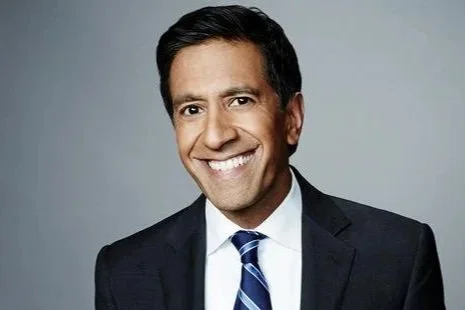
“The blueprint for how we create a less violent society, This book doesn't just reveal a solution to violence. It offers a revolutionary new way forward."
Dr. Sanjay Gupta, MD
Chief Medical Correspondent For CNN -
![]()
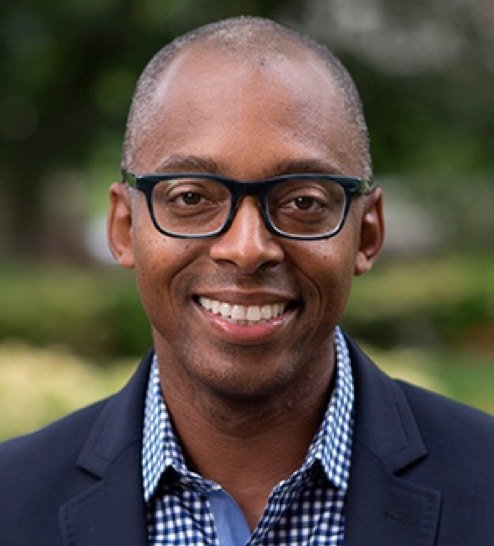
"The End of Violence shows how urgent it is to see and manage violence in an entirely new way . . ., we need to wake up fast to these innovative insights about all forms of violence—from community violence, police violence, and political violence."
Khalil Gibran Muhammad
Professor, Princeton University
Founder and Director of the Institutional Antiracism and Accountability Project
Author of The Condemnation of Blackness -
![]()
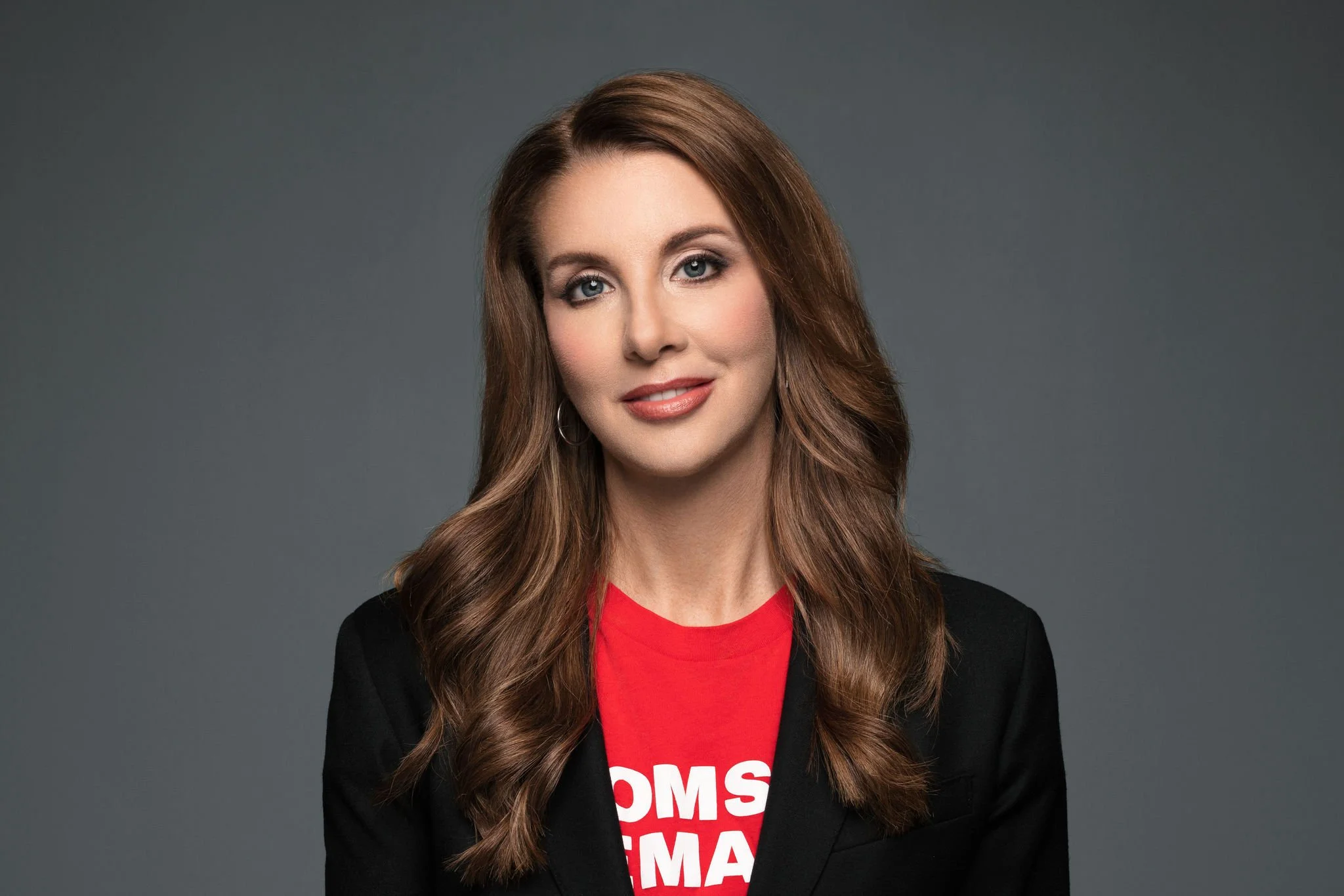
“Gives us a new way of understanding violence and a proven way of stopping it. This book will help us be better parents and keep our families safe and will help our children have a better future - free of violence”.
Shannon Watts
Founder of Moms Demand Action -
![]()
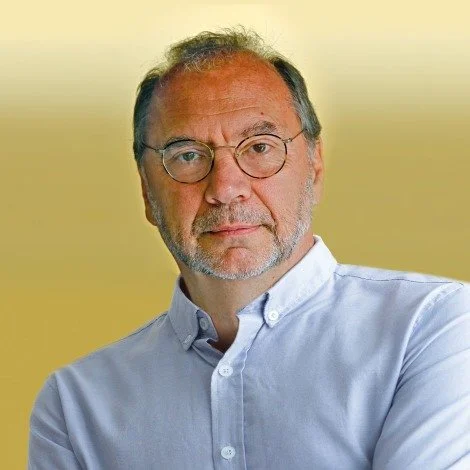
“Dr. Slutkin’s revelation of violence as a disease is nothing short of a paradigm shift. This book will move us forward as a species.”
Peter Piot, MD, PhD
Former Director, London School of Tropical Medicine; Founding Director, UNAIDS, co-discoverer of the Ebola virus -
![]()
“Science sometimes totally upends our view of the world. This book reveals the type of discovery that can change the course of human health, and even human history.”
Dr. Al Sommer
Dean Emeritus, Johns Hopkins University Bloomberg School of Public Health -
![]()
"Dr. Slutkin sees things differently than most of us and the result is that violence has a new diagnosis and is now in a new category—a health epidemic."
Céline Gounder
Senior Fellow & Editor-at-Large for Public Health at the Kaiser Family
Internist, Infectious Disease Specialist, and Epidemiologist
NYU Grossman School of Medicine and Bellevue Hospital -
![]()
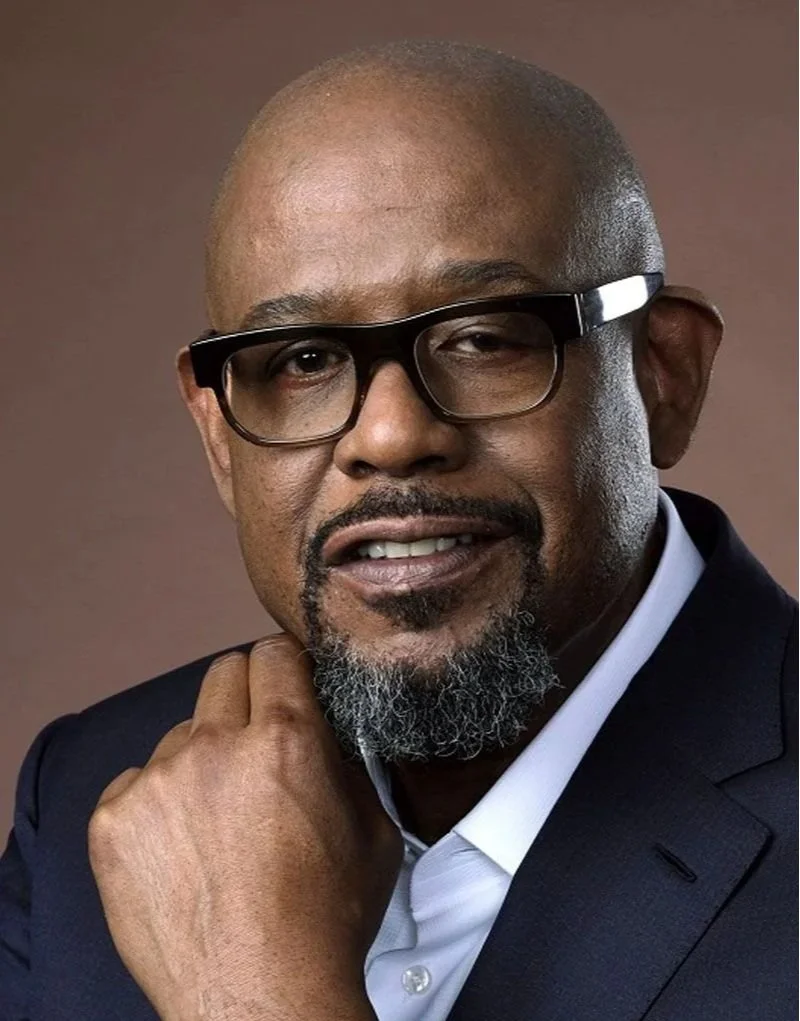
"Those who desire a more peaceful planet should read Gary’s book —he gives us hope for a new way ahead."
Forest Whitaker
Academy Award-winning Actor, Activist, and Humanitarian -
![]()
"Gary Slutkin is one of the most important thinkers and activists in the vital effort to understand and reduce violence. The End of Violence is an invaluable contribution”
Steven Pinker
Johnstone Professor of Psychology, Harvard University
Author of The Better Angels of Our Nature -
![]()
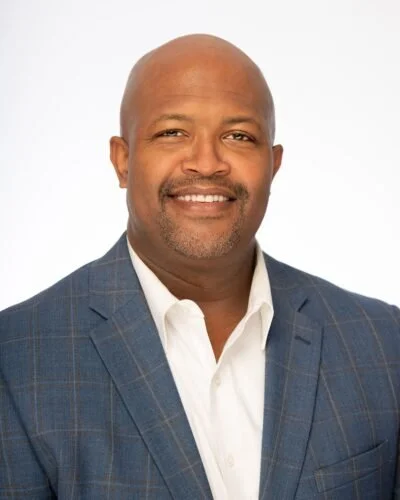
"A book that will help each of us feel safer and more able to protect the people around us. To read this book is to have hope and also tools to be safe and help change things."
Leon Andrews
President and CEO of Equal Measure
Formerly Director, Race, Equity And Leadership National League of Cities -
![]()
"Having spent my career of over 40 years working for peace and the rights of children and women all over the world with the United Nations, I can tell you that Dr. Slutkin is revolutionizing the field entirely."
Rima Salah
Former Assistant Secretary-General of the United Nations
Former Deputy Executive Director of UNICEF -
![]()
"In this all-important book, epidemiologist Gary Slutkin brings 25 years of deep experience and knowledge to show us how we can use the paradigm of public health to cure the world of this deadly epidemic. This book could not be more relevant or useful."
William Ury
Co-founder of the Harvard Program on Negotiation
Co-Founder of the International Negotiation Network with Jimmy Carter -
![]()
"We have been needing a new solution to violence and to our forced displacement problem for decades if not more. Now, we have a breakthrough. The End of Violence gives us a whole new way of seeing and helping solve these previously intractable problems. An urgent read.
Mark Connolly
UNICEF Representative, Honduras -
![]()
"The End of Violence is a visionary work. At the same time, it is grounded in real stories, science, and experience. Dr. Slutkin’s book is a must-read, not only for practitioners but also for everyday people who care about their families, their futures, and those around them."
Dr. Susan L. Bissell
Founding Director, Global Partnership to End Violence Against Children
Global Chief, Child Protection, UNICEF (former)



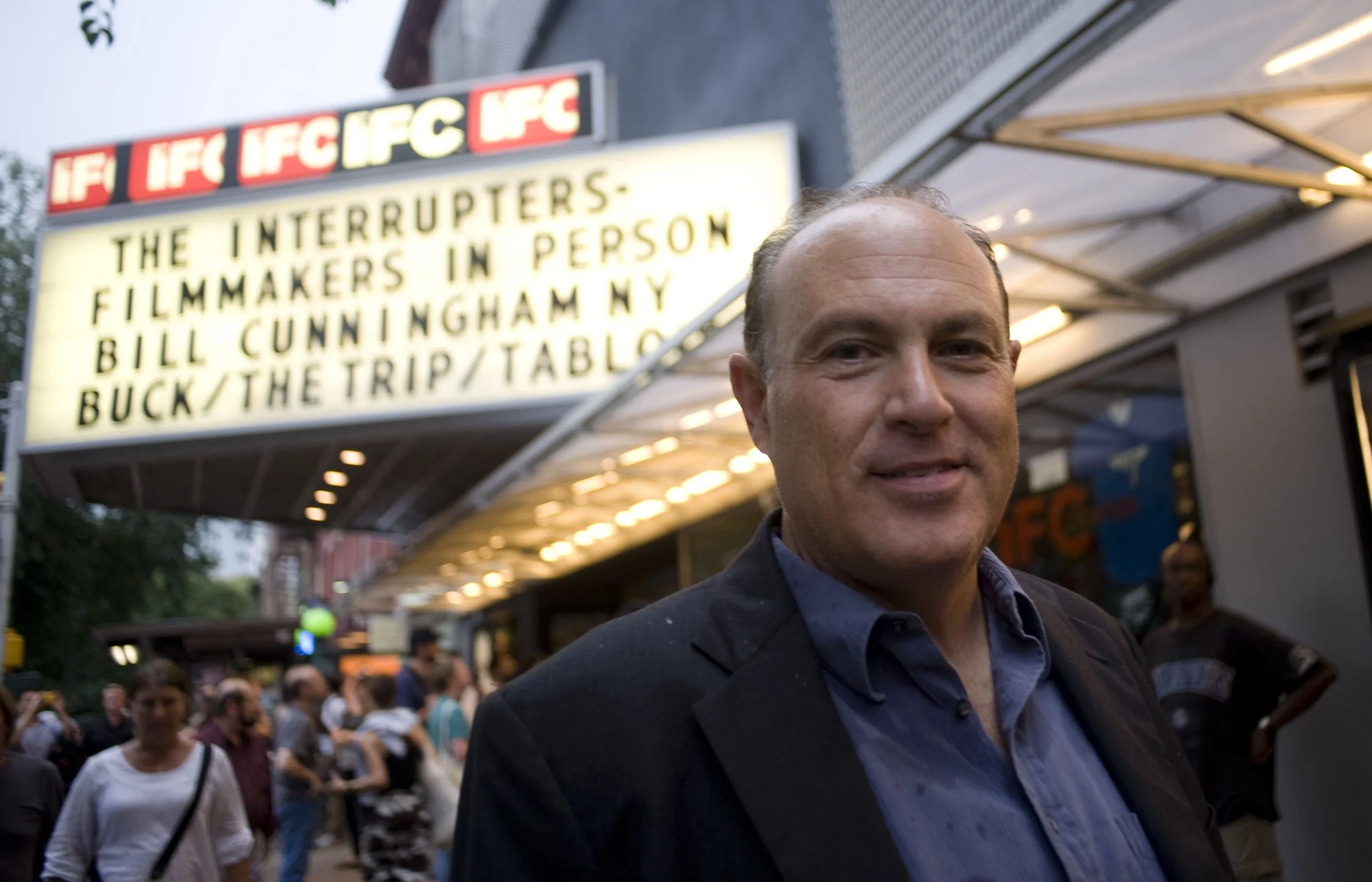
Public Health Pioneer
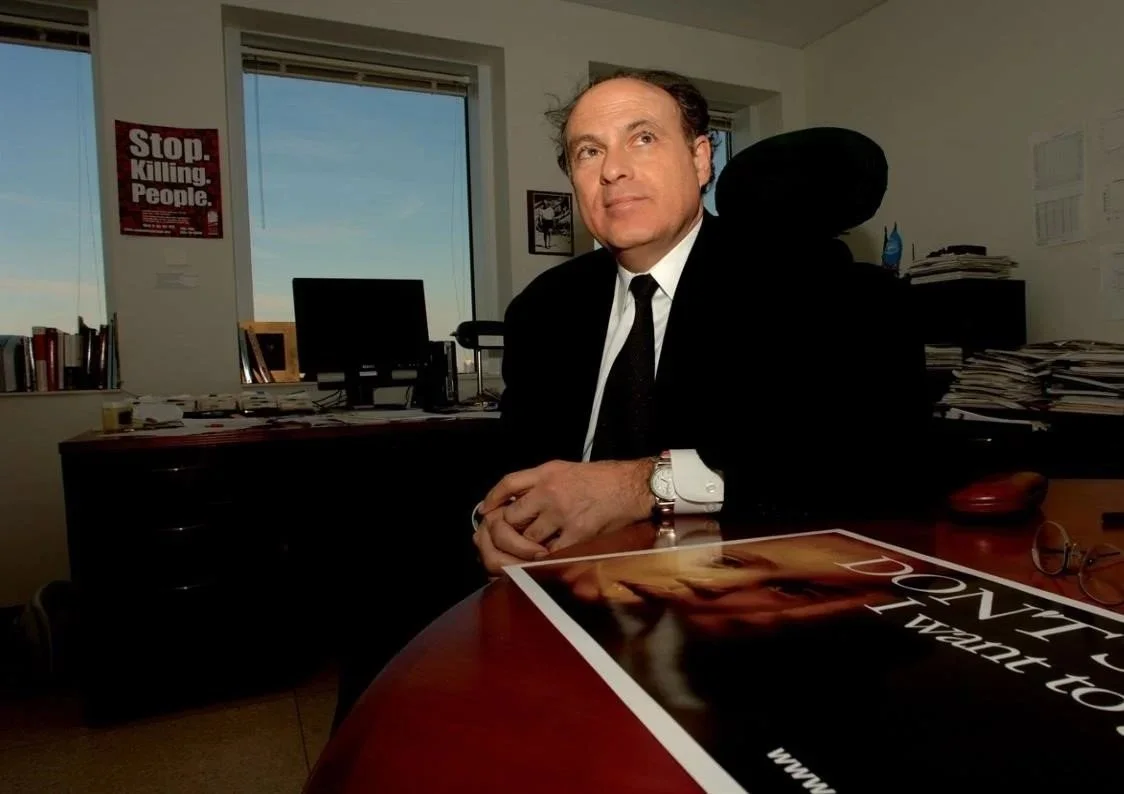
Dr. Gary Slutkin is a physician and epidemiologist formerly of the World Health Organization, the Founder and CEO of Cure Violence, and an innovator in epidemic management, public health, behavior change, and data-based approaches to local and global problems.
Meet Gary
Gary’s Ted Talk
Violence Is a Contagious Disease
It is now scientifically clear that violence behaves like a contagious and epidemic disease. People at heightened risk for violence have acquired this susceptibility in the same way that people acquire other contagious diseases—through exposure.
This is good news. We have methods for stopping epidemics.
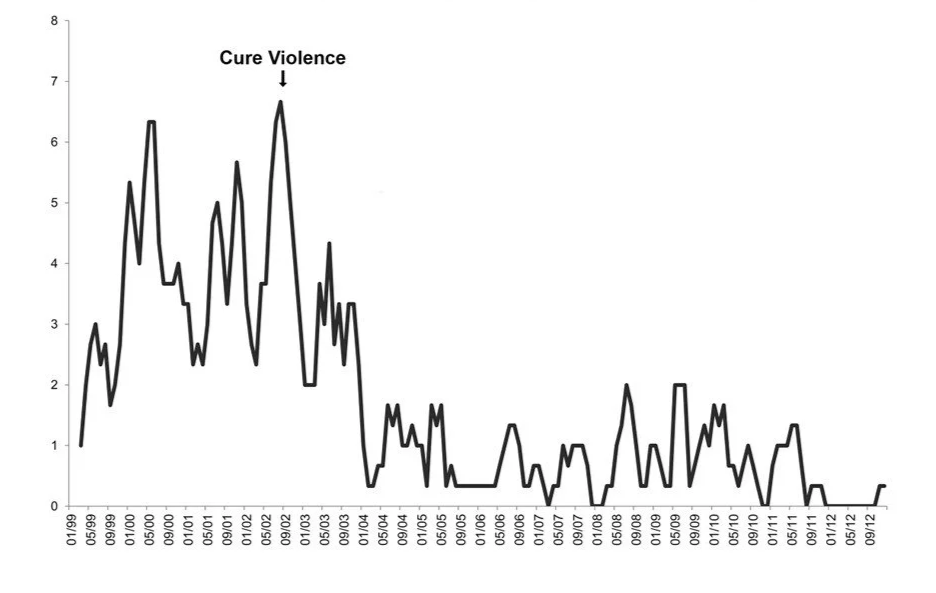
Logan Square, Chicago (USA)
Reduction in Shootings
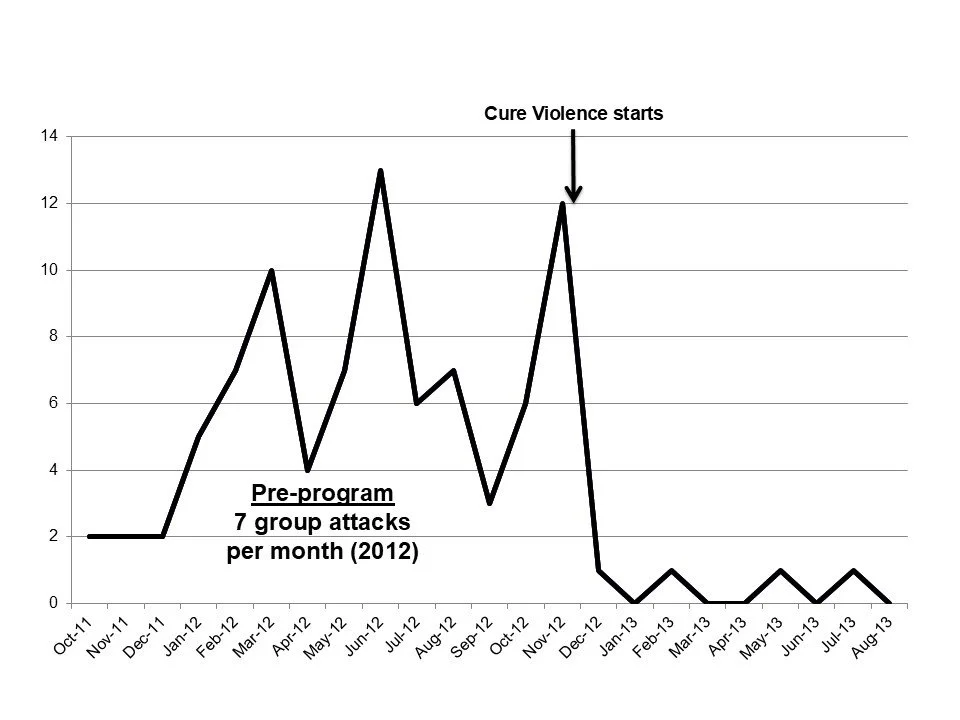
Cookham Wood Prison (United Kingdom)
Reduction in Group Attacks
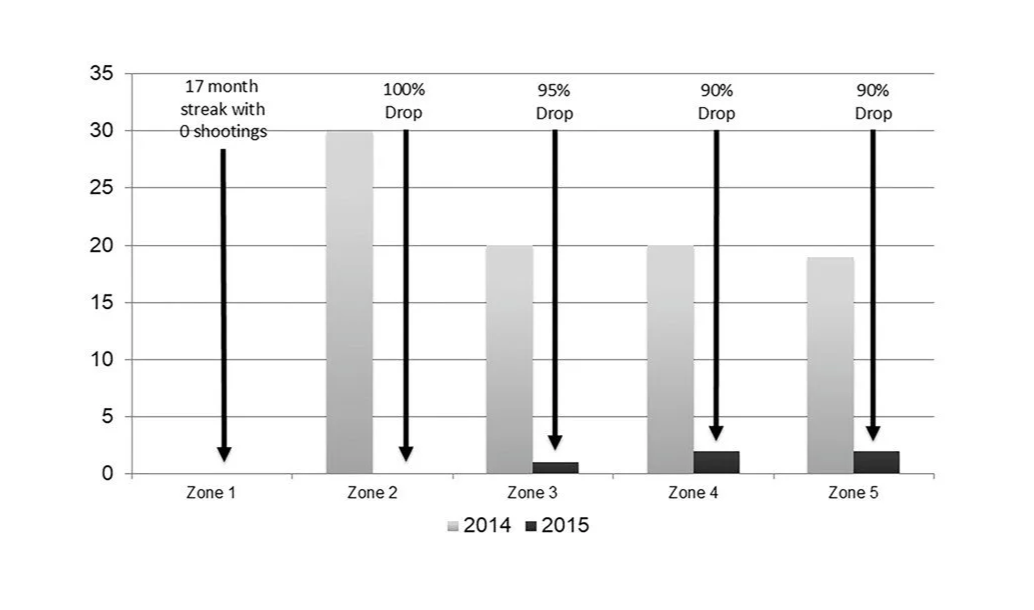
San Pedro Sula (Honduras)
Reduction in Shootings
Port of Spain (Trinidad & Tobago)
Reduction in Violent Crime
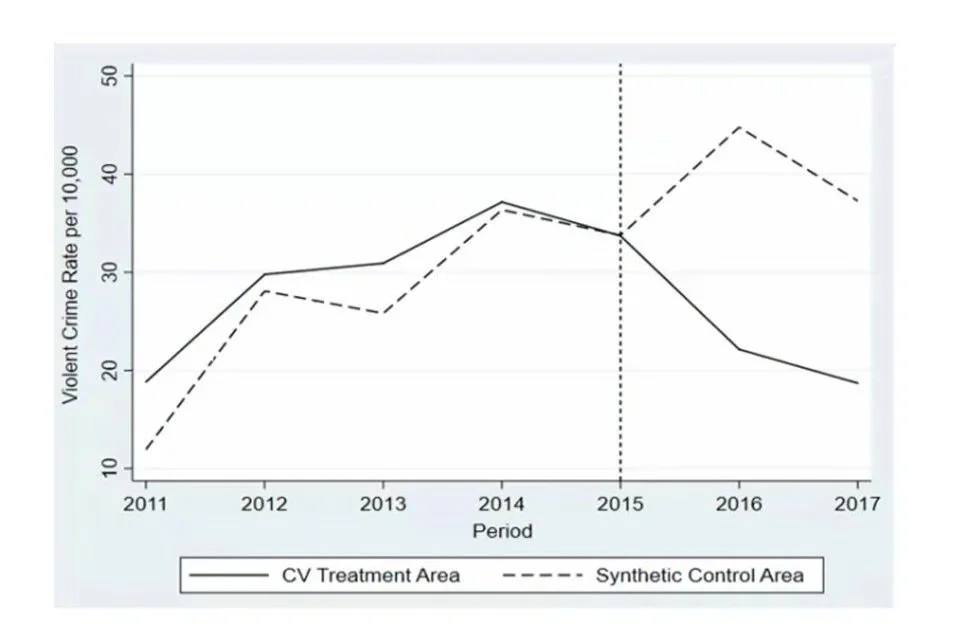
The Approach Has Worked for Communities Across the World.
Over the last 25 years, the approach has been applied to over 80 cities across the world in more than 20 countries.
San Pedro Sula, Honduras: The world's most dangerous city, killings dropped 94%.
Chicago: 41-73% decrease in shootings in multiple neighborhoods; now with the lowest homicide rate since the 1960s.
Baltimore: the lowest number of homicides in 60 years, with more than a dozen communities with zero homicides for all of 2025.
New York City: record lows in shootings, city as a whole; safest year in Brooklyn’s history.
Over 90 cities using the variations of the approach in the U.S.; homicide rates rapidly diving across the entire country.
Culiacán, México: 90% reduction in killings
Cali, Colombia - 74% reduction in killings
25 violent communities in 14 cities have gone to zero killings for up to three years.
Results with this approach are shown for community violence, tribes, cartels, in prison violence in the UK, election violence in Kenya, political violence in the pacific northwest, and in war zones in Iraq and Syria.
Let’s End Violence Together
It is now scientifically clear that violence behaves like a contagious and epidemic disease. People at heightened risk for violence have acquired this susceptibility in the same way that people acquire other contagious diseases—through exposure.
Past exposure to violence is the strongest predictor of violent behavior, and each violent event represents missed prior opportunities for prevention and current opportunities to stem progression and spread.
Now is the time for our nation’s health care and public health systems to work with communities and other sectors to stop this epidemic. Each of us has a role in making this happen.
Gary Slutkin, MD
Founder, Cure Violence Global
Author, End of Violence